main navigation - skip main navigation

Homepage

Contact

Mrs Cowie

Clynelish Distillery
Brora
Sutherland
KW9 6LR
Scotland

Tel:
+44 (1408) 623000
Fax:
+44 (01408) 623004
E-Mail
Website


Clynelish Distillery & Visitors Centre

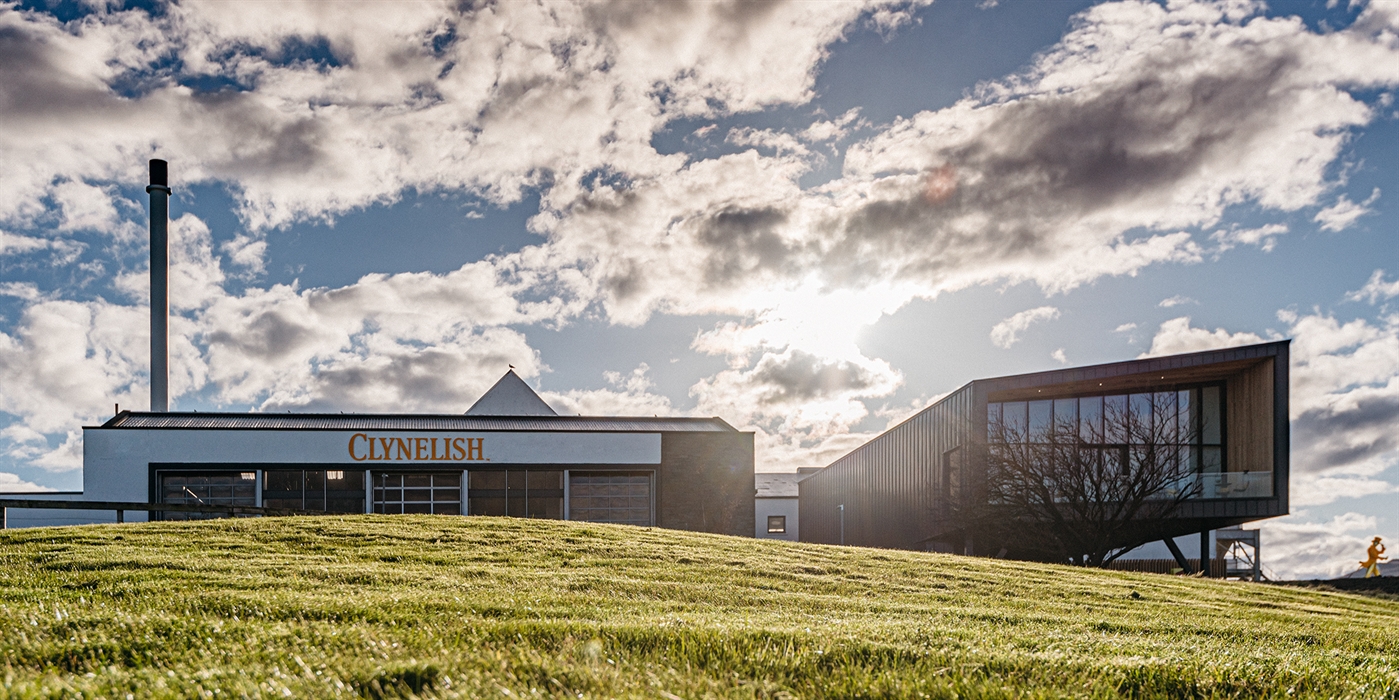
Clynelish Distillery

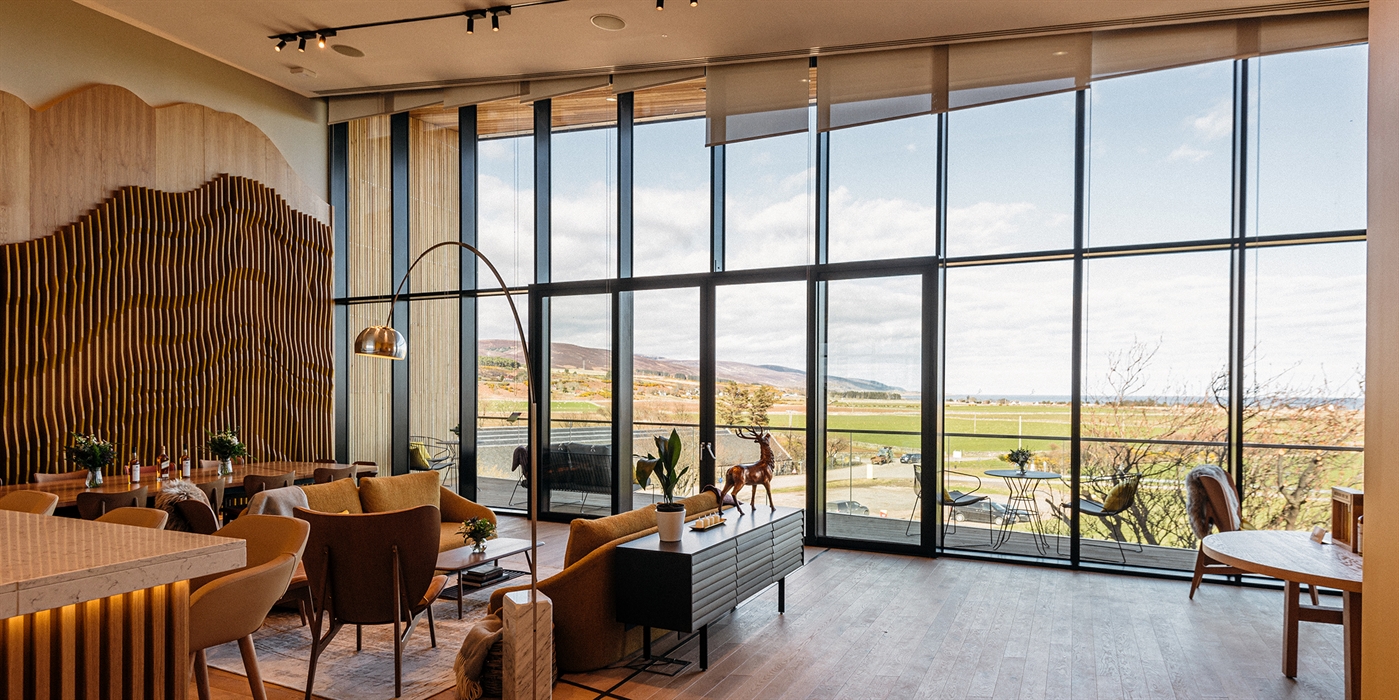
Located on the A9 in the popular holiday town of Brora with commanding views of the North Sea. Spring water from the Clynemilton burn is used to produce this fruity, slightly smoky Single Malt Scotch Whisky.

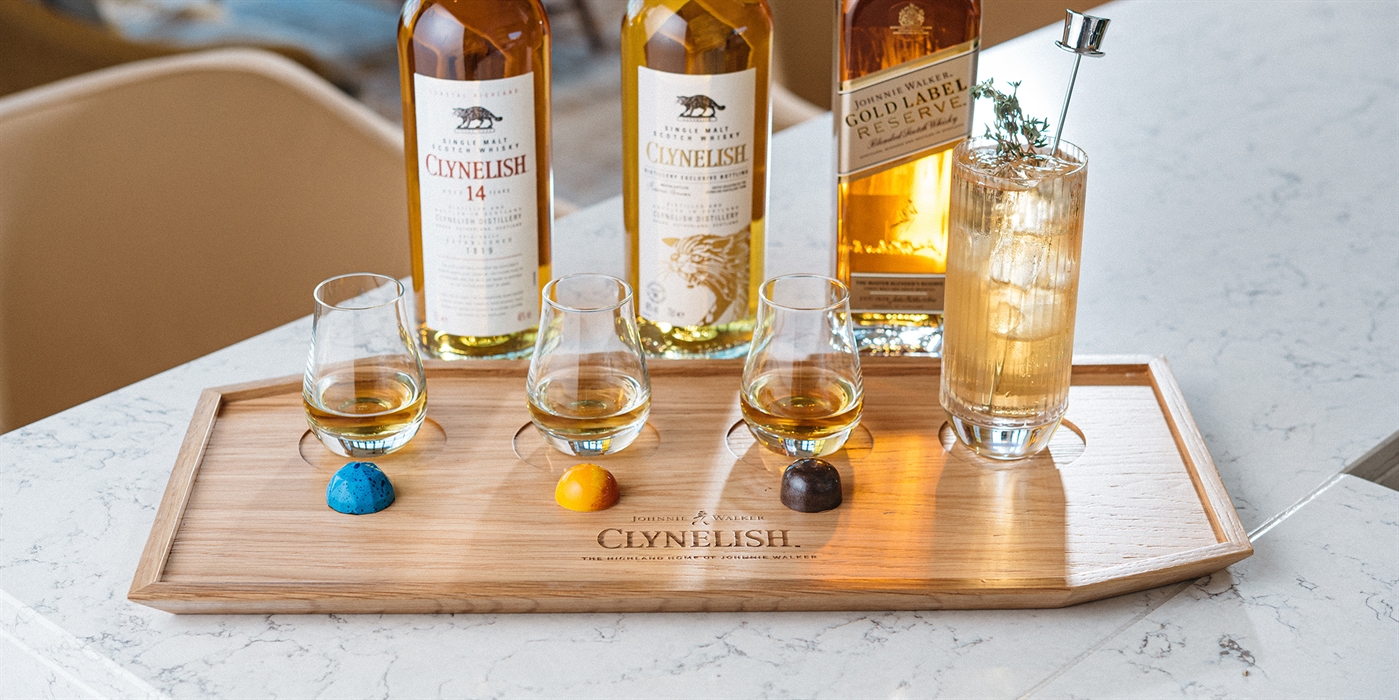
Today, CLYNELISH DISTILLERY produces a single malt Scotch whisky from six traditional copper stills and is used extensively for blending. Clynelish 14-year-old Highland single malt Scotch whisky is also available at the distillery and selected outlets in bottles which feature the distillery symbol, a wildcat.

Just arrived, only available at the Distillery, Clynelish Cask Strength 57.3% only £45 per bottle, For more details contact Suzanne Cowie on 01408 623000

The History of Clynelish Distillery
The original distillery at Clynelish was purpose built to serve the new farms being established on the fertile land of Sutherland's coastal strip. It was hoped that by providing a steady market for grain, farmers would no longer support the illicit distillers whose existence, according to a contemporary report, had "nursed the people in deceit and vice".The distillery was built for £750 in 1819 by the future Duke of Sutherland to provide a ready market for the grain grown by his tenant farmers on improved coastal land.

CLYNELISH DISTILLERY was a model design spent grains, the by-products of distilling, were used in an adjoining piggery, and part of Brora Moor was reclaimed using the manure the herd produced to grow more barley to supply the distillery and coal from the mine at Brora fuelled the fires beneath the stills.

The farm at Clynelish was leased to James Harper, originally from Midlothian, who started the distillery with one wash still and one spirit still, producing 10,015 gallons (45,527 litres) in 1821-22.

James Harper was succeeded as lessee in 1834 by Andrew Ross and in 1846 by George Lawson, the brother of the local bank agent, who made substantial improvements and extensions to the distillery, building a new malt kiln and replacing the original stills.

George Lawson and his sons also seem to have been efficient farmers; Highland cattle from Clynelish won the first prize in their class, and sheep gained other awards at the Smithfield Show in 1894.

The quality of Clynelish whisky was so prized at that time that only private customers were supplied, not only "all over the Kingdom" but abroad as well, commanding "very valuable exports", and "trade-orders" were refused.

When the Leith whisky blenders, Ainslie & Co, bought over the distillery in 1896 they enlarged the premises for both production and warehousing to satisfy the demand from wholesalers as well as from private customers.

In 1912, John Risk, a trustee who already owned a 50% interest in Clynelish, bought the remaining 50% from Ainslie's and together with The Distillers Company Limited formed The Clynelish Distillery Co Ltd.

John Risk sold his interest in the company in 1925 and in 1930 all the shares in Clynelish were transferred to Scottish Malt Distillers Ltd, now part of United Distillers. By this time it was reckoned that manual labour had been reduced to a minimum.

In March 1931 the economic recession forced Clynelish to close. Production restarted in September 1938, only to shut down from May 1941 until November 1945 because of restrictions on the supply of barley to distillers during the Second World War.

In the 1960's Clynelish was again brought up to date when electricity was installed and stills which had been heated by a hand-fired coal burning furnace were converted to internal steam heating. True to its origins as a model design, Clynelish was replaced by a new distillery built on an adjacent site in 1967-68. The six stills in the new distillery were run on the most up to date lines, while retaining the traditional still and the original water supplies from the Clynemilton Burn ensured that the sought after quality of Clynelish whisky remained unchanged.

The original distillery was closed for a short time but reopened as Brora Distillery from April 1969 until May 1983, producing a heavily peated whisky for blending with a completely different character, leaving the new Clynelish to carry on the tradition. It is also available at cask strength and features in the "Rare Malt" series.

Opening Hours

Opening hours 2009

January to March By appointment

April to October Mon - Fri: 10am - 5pm

November & December By appointment.

Closed between Christmas & New Year.

Last Tour: 1 hour before above closing times.

Children under 8 years are welcome but are not admitted to the production areas.

Contact

Mrs Suzanne Cowie

Clynelish Distillery
Brora
Sutherland
KW9 6LR
Scotland

Further contact details ...

Tel: +44 (1408) 623000
Fax: +44 (01408) 623004
E-Mail: suzanne.m.cowie@diageo.com
WWW: http://www.discovering-distilleries.com/clynelish